
What is iPS Cell Treatment?

Many people may have heard the term “iPS cells” but are not familiar with what treatments are actually related to them.
This page explains the basic knowledge of iPS cells and clearly describes the features of the “iPSF treatment” offered at our clinic.
What is iPS Cell Treatment?
What are iPS Cells (Induced Pluripotent Stem Cells)?
iPS cells were first created in the world in 2006 by Professor Shinya Yamanaka at Kyoto University. For this discovery, Professor Yamanaka received the Nobel Prize in Physiology or Medicine in 2012.
The greatest characteristic of iPS cells is their “pluripotency,” meaning they can differentiate into various types of body cells. They are created by introducing specific genes into somatic cells, such as skin or blood cells, and reprogramming them to a state close to that of a fertilized egg.
Why iPS Cells are Drawing Attention
Conventional stem cell therapies generally culture stem cells collected from the patients themselves. However, this method has certain challenges.
Challenges include: Physical burden at collection / Decline in stem cell quality and quantity with age / Time-consuming culture / Variations in quality.
iPS cells are produced from cells of young, healthy donors and can be mass-cultured under strict quality control, potentially overcoming these issues.
Application in Regenerative Medicine
There are two major approaches to regenerative medicine using iPS cells.
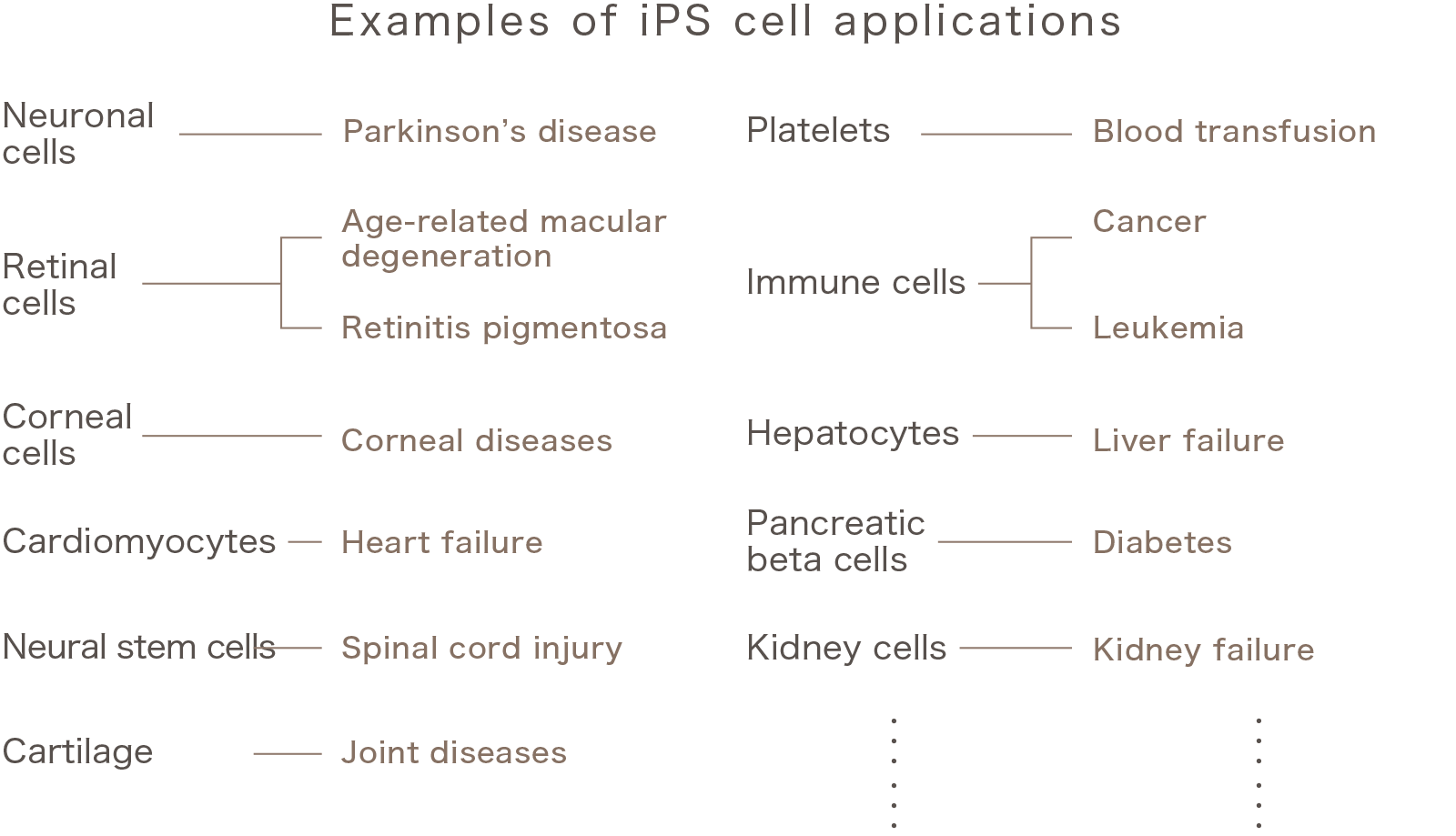
1. “Cell therapy”: iPS cells are differentiated into target cells (nerve cells, cardiomyocytes, etc.) and transplanted. Clinical studies for Parkinson’s and age-related macular degeneration are in progress.
The second is “iPSF treatment”: Utilizes effective factors produced by iPS cells. Our clinic offers this approach.
4 Key Keywords of iPS Cells
Introducing four important characteristics to understand iPS cells.
- Growth Potential
-
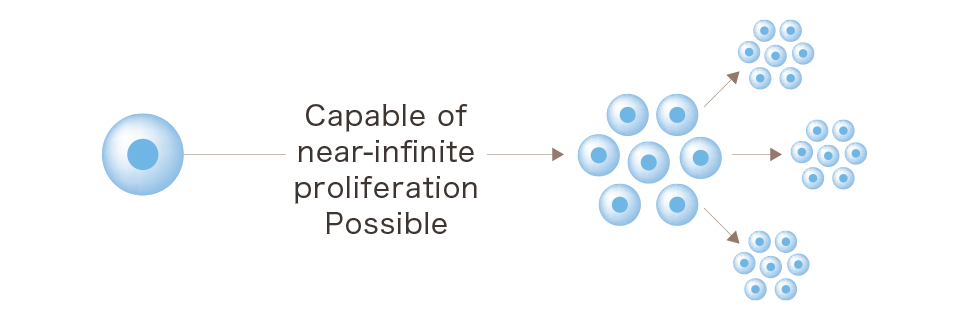
iPS cells can theoretically proliferate indefinitely. Once created, large amounts can be cultured for treatments and research. Storing your own iPS cells acts as a “cellular reserve” for future needs.
-
- Pluripotency
-
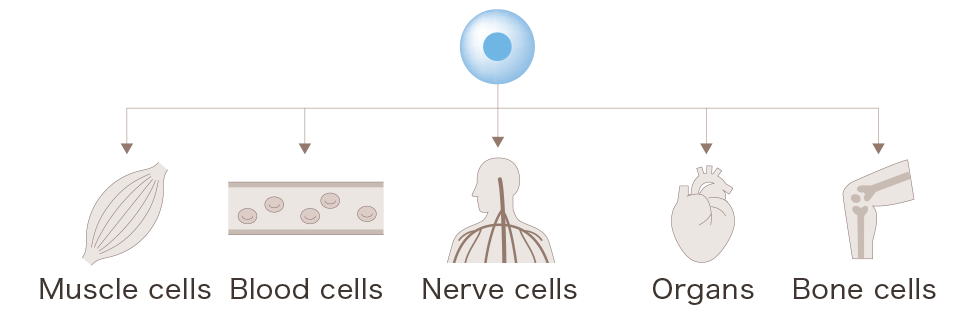
iPS cells can differentiate into all body cell types such as cardiomyocytes, nerve cells, and blood cells. This underpins their key role in regenerative medicine.
-
- Rejuvenation
-
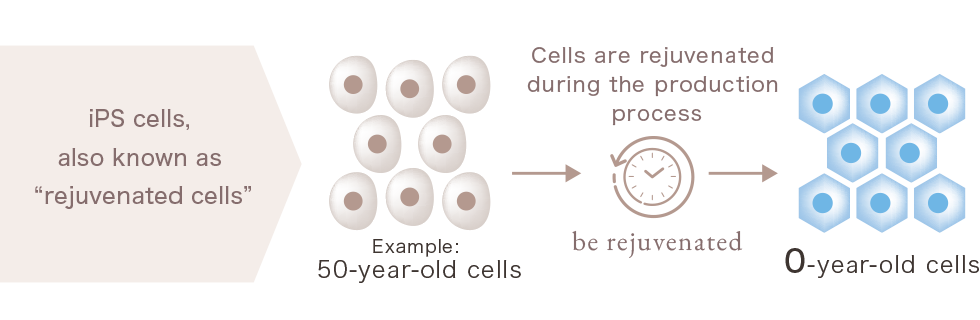
Creating iPS cells involves reprogramming, resetting cellular aging. For example, cells from a 50-year-old become young again. This property is unique to iPS cells.
-
- Predictive Biomarker
-
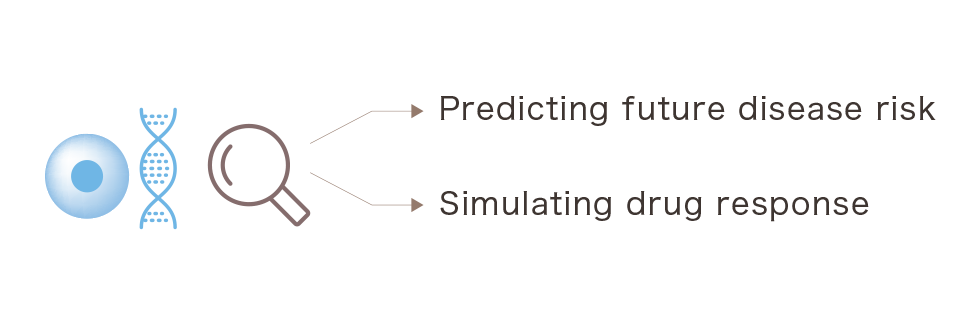
iPS cells retain genetic information and can be used to predict disease risk and simulate drug responses, aiding future health management.
What is iPSF?
About iPSF (iPS Factor)
iPSF refers to a proprietary complex of bioactive factors derived during the iPS cell culture process.
iPS cells secrete various bioactive substances that promote tissue repair and regeneration.
Our clinic uses iPSF extracted and purified with proprietary technology by I Peace × REJU.
Main components of iPSF
Components include growth factors, cytokines, exosomes, and other bioactive proteins.
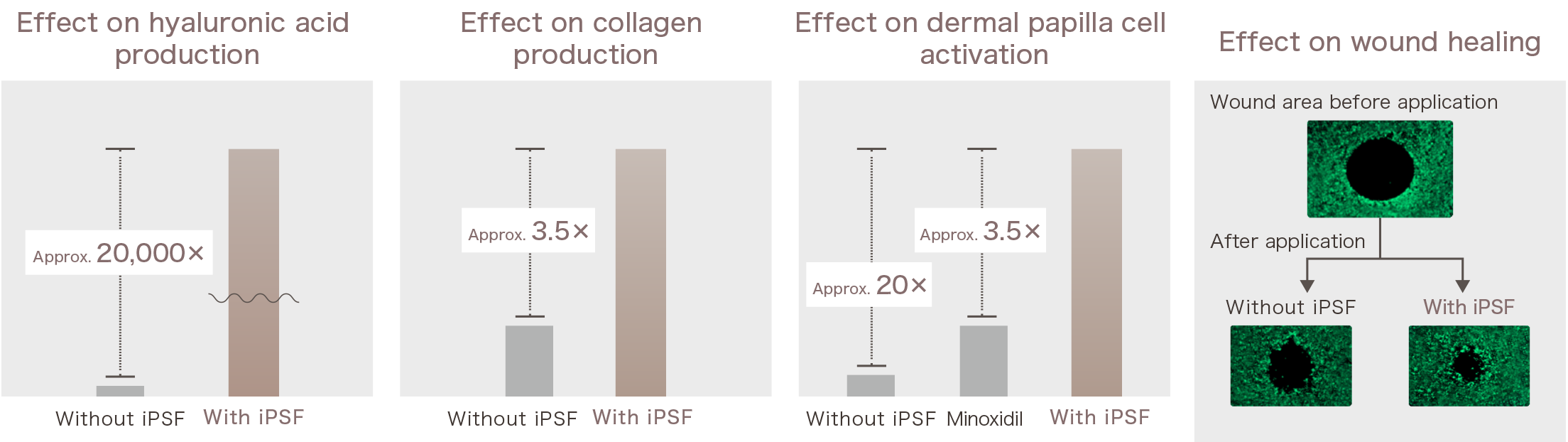
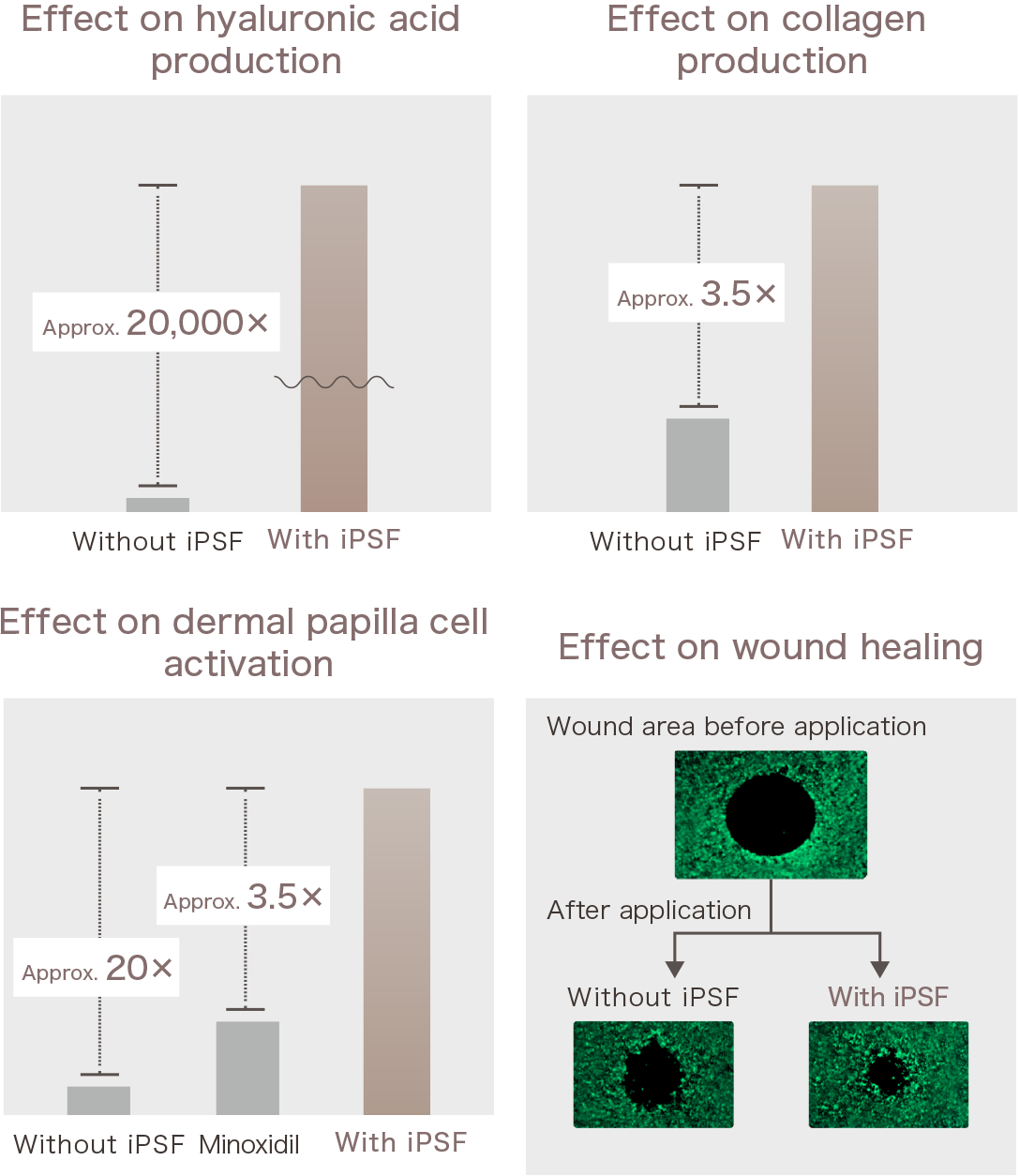
These synergistically promote inflammation suppression, cell protection, tissue regeneration, improved blood flow, and anti-aging effects.
Autologous iPSF and Allogeneic iPSF
Two types of iPSF: autologous (from your own iPS cells) and allogeneic (from cord blood produced under strict quality control).
Autologous iPSF contains abundant growth and youthful regeneration factors.
Allogeneic iPSF contains no cells, minimizing immune reactions and ready for immediate use; our clinic primarily uses this type.
Difference between iPSF and Exosomes
Exosomes, small vesicles secreted by cells containing various substances, are receiving growing attention in treatment.
iPSF encompasses the full range of iPS cell-derived factors including exosomes, enabling a multifaceted approach.
Action of iPSF
Features of Our iPSF Treatment
RBN my place clinic provides iPSF treatments with the following features:
Feature01Quality foundation backed by Japanese and US public certifications
iPSF is manufactured and purified under I Peace × REJU’s quality management system.
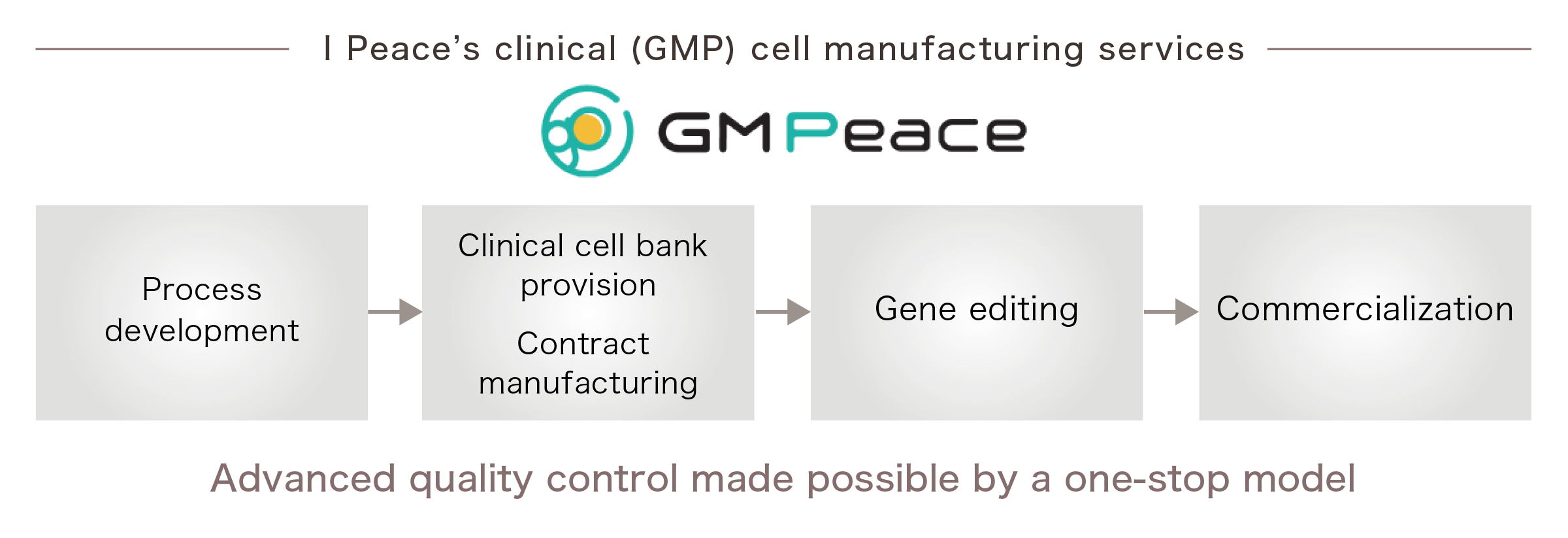
I Peace: Global CDMO founded by Koji Tanabe from Prof. Yamanaka’s lab. Peace Engine Kyoto facility holds manufacturing approval by Japan’s Ministry of Health, Labour and Welfare, and FDA registration (No. 3020167797), complying with Japanese and US regulations as a global cGMP site.
| Key Quality Assurance Certifications | Details |
|---|---|
| MHLW Approval for Specified Cell Processed Products | Obtained after PMDA conformity survey |
| FDA Drug Manufacturing Facility Registration | Registration No. 3020167797 |
| ISO 17025 Accredited Quality Control Laboratory | International accreditation for quality testing |
| DMF (Drug Master File) Registration | Manufacturing information registered with the FDA |
| Global cGMP Compliance | Compliant with regulations of FDA, PMDA, and Eudralex |
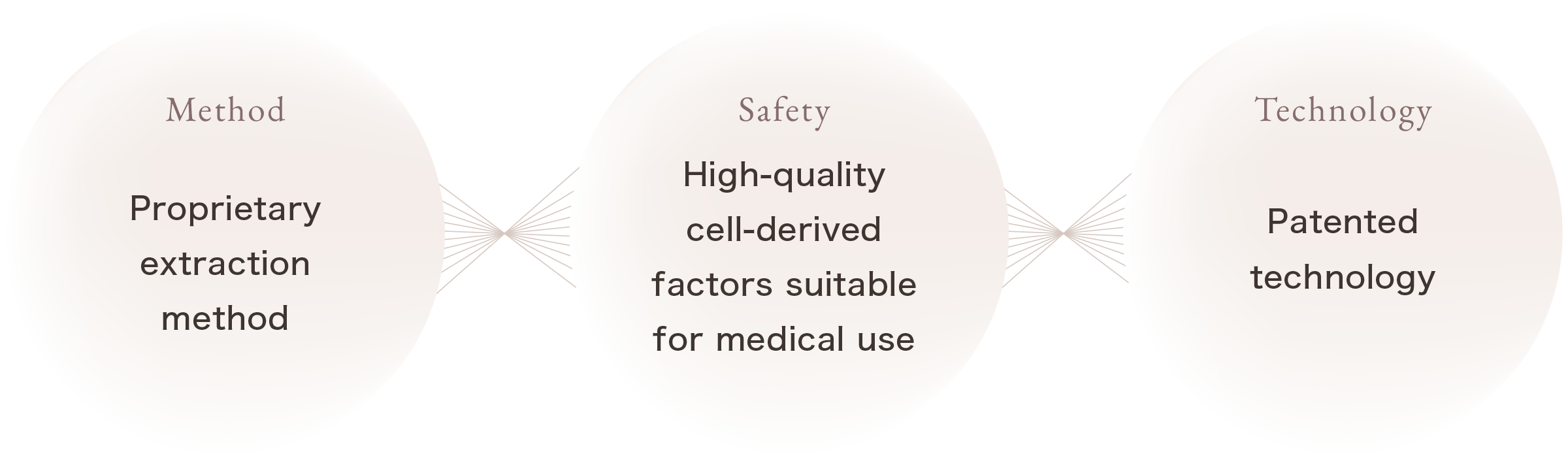
REJU extracts and purifies iPSF from I Peace-produced iPS cells using patented technology; it was first to achieve international standard (US PCPC) raw material registration and supplies stable iPSF under strict quality control.
Learn more about thethree-organization collaboration
Feature02iPSF Programs
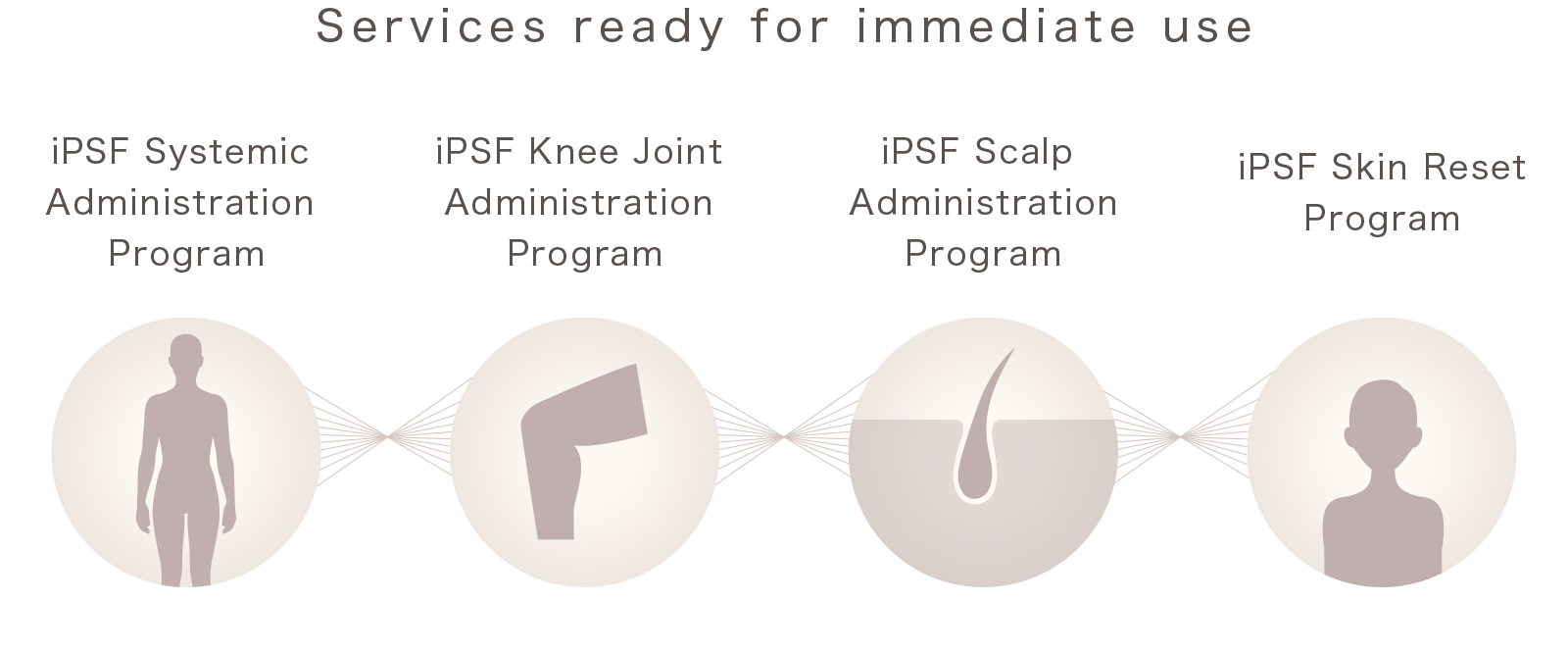
Our clinic offers four iPSF programs customized to patient concerns and goals:
| Program | Target Area |
|---|---|
| iPSF Full-body Infusion Program (Intravenous Administration) | Full Body |
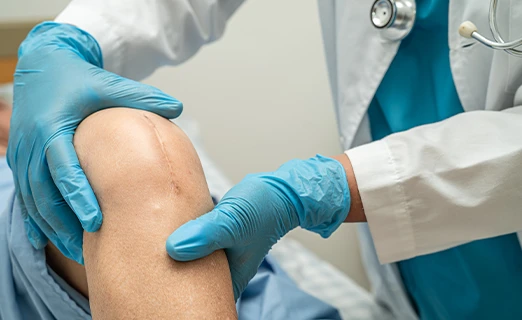
| iPSF Knee Joint Program (Intra-articular Injection) | Joints |
| iPSF Scalp Program (Scalp Injection) | Scalp & Hair |
| iPSF Skin Reset Program (Subcutaneous Injection) | Face, Neck, Hands, etc. |
Detailed explanations about treatments and expected effects are given during counseling.
View Treatment Menu
Feature03Continuous support via PDCA medical experience
iPSF treatment is not a one-time procedure.
Based on “PDCA medical experience,” we provide continuous support from planning (Plan), implementation (Do), monitoring (Check), to advancing toward your ideal self (Advance).
Our medical goal is to increase patients’ time living as their “ideal selves.”
Learn More About Our CliniciPS Cell Banking Service
Your own iPS cells as a preparation for the future.
Guidance is offered for personal iPS cell banking service by I Peace.
What is iPS Cell Banking?
The service produces iPS cells from your own blood and stores them for future regenerative medicine.
iPS cells have the unique “rejuvenation (reprogramming)” feature resetting cellular aging; e.g., cells from a 50-year-old are stored as “young” cells for future use.
Why Banking "Now"?
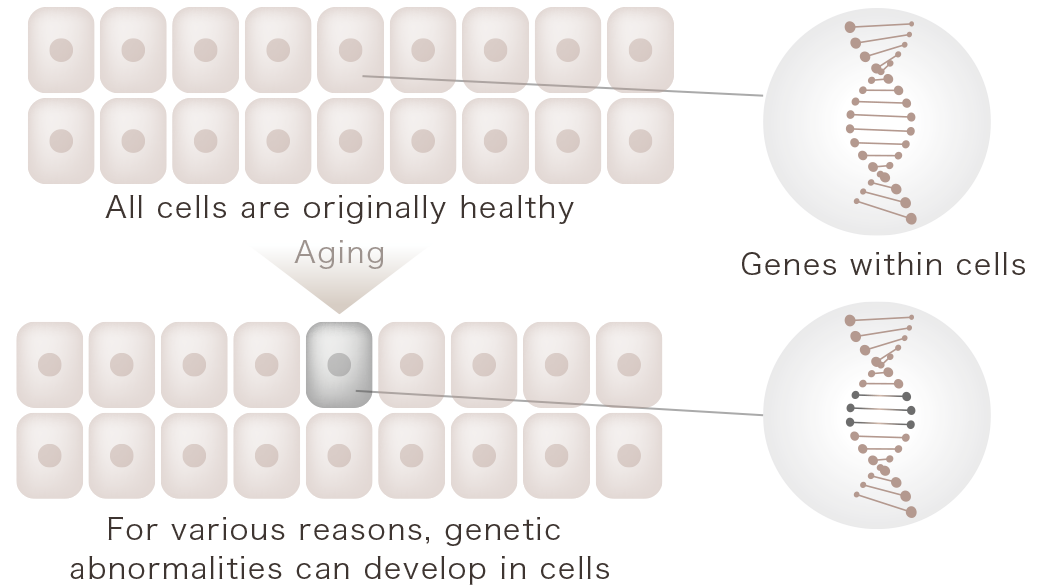
Autologous transplantation using one’s own cells is ideal as it minimizes immune rejection and maximizes treatment effects.
Cells age with time; producing and storing iPS cells while still healthy expands future options.
Quality of Banked iPS Cells
Features of iPS cells produced via I Peace banking:
- Made at Peace Engine Kyoto, authorized by Japan’s Ministry of Health, Labour and Welfare.
- Global quality meeting US FDA standards.
- Safe blood collection process minimizing contamination risk.
- Cryopreservation only of cells confirmed safe by advanced sterility and virus tests.
- Manufactured using clinical-grade technology and quality controls as for global pharmaceutical companies.
Two Possibilities with Banking
01Utilization of Autologous iPSF
Autologous iPSF from banked cells is rich in growth and youthful regeneration factors, distinct from allogeneic iPSF.
02Preparation for Future Cell Transplantation
When autologous iPS cell transplantation becomes practical, banked cells can help generate needed cardiomyocytes, nerve cells, blood cells, etc.
Banking process steps
-
Step01

Counseling &
Application -
Step02
Blood Collection
-
Step03
Centrifugal Separation
-
Step04
Add Reprogramming
Factors -
Step05
Store in Liquid
Nitrogen Tank
* For details and pricing, please feel free to contact us.


